Connection Before Correction
7.1 The main points
A child who is upset cannot learn anything. Deal with the upset first and the behaviour afterwards. Correction is not cancelled, only delayed. The boundary stays exactly where it was. Most ordinary consequences do not work with our children, and some of them make things worse. What you do to put the relationship right afterwards teaches more than the consequence did. Play and nurture are part of the work, not a reward for a good week. If something is happening right now, look it up in Common Challenges: An A to Z.
7.2 The order of operations
7.2.1 Why an upset child cannot learn
When a child is frightened or very angry, the thinking part of their brain is not available. They are not choosing to ignore you. They cannot do the thing you are asking of them, which is to consider their own behaviour and learn something from it. So the order is always the same. Safety first. Then calm. Then, later, the conversation. Most adults try to do all three at once, during the incident, because that is when it feels most urgent. It is the one moment when none of it can work. Safety means nobody is being hurt and nothing dangerous is happening. This is the only part that cannot wait. Calm means the child’s body has settled. Slower breathing, lower voice, shoulders down, able to hear you. This takes longer than most people expect, and a child often looks calm before they are. The conversation is the part where you talk about what happened. It comes last, and sometimes it comes the next day. A child who is told off while still overwhelmed learns one thing from it, which is that being overwhelmed brings more trouble. That is the opposite of what you were trying to teach.
7.2.2 Boundaries still matter
This is about timing. It is not about expecting less. Dealing with the upset first does not mean the behaviour was acceptable, that there is no consequence, or that the child is not responsible for what they did. It means none of that can reach a child who cannot hear you. The rules in your house stay the same. Hitting is not allowed. Nor is breaking things, hurting the pets, or speaking to someone in a way you would not accept from anyone else in the household. None of that changes because a child has been through something terrible. What changes is when you deal with it, how you deal with it, and what you expect dealing with it to achieve. Children who have had chaotic lives need boundaries more than other children, not less. A home with no limits is frightening. Some children will test every boundary in order to find out whether there is one, and finding it is a relief even while they are furious about it. Warm and firm at the same time. Not warm instead of firm, and not firm instead of warm.
7.3 What works and what backfires
7.3.1 Why the usual approaches often backfire
Most parenting advice assumes a child who felt safe and loved from the start, who can hold a consequence in mind over time, and who is in no doubt that their carer still wants them. Our children often do not fit any of those three assumptions. Withdrawing affection. Going quiet, not saying goodnight, “I’m too disappointed to talk to you.” For a child who has already been rejected, this confirms what they expect: that being loved depends on behaving, and that it can be taken away. It also tells them they were right to keep their distance from you. Consequences a long time after the event. No screens for a week. Cancelling Saturday on a Tuesday. A child who cannot judge how much time has passed, or who cannot link two events days apart, learns nothing from this except that bad things arrive for no reason. It also commits you to a week of enforcement. Sending a child to their room. For many of our children, being alone is the worst thing that can happen, because being alone is where the frightening things happened and where nobody came. Sending a child away at the moment they are least able to manage leaves them on their own with feelings they cannot handle. It also removes the one thing that might have settled them, which is you. This one needs a caveat. It is being sent away as a punishment that causes the harm. A child who takes themselves off to their room to calm down is doing something useful, and should not be followed. Some children genuinely settle better on their own, with the door open and you somewhere they can find you. Others are fine with it once they are secure in your home and know you will still be there afterwards. The difference is who decided, whether the child knows you have not withdrawn, and whether it is being used to help them settle or to make them sorry. If sending a child to their room works for your child, keep doing it. Taking away the thing that calms them. The tablet, the football, the one interest they disappear into. These are often the child’s only way of settling themselves. Removing it because of behaviour they could not control takes away the tool and makes the next incident more likely. Raising the stakes. Adding a bigger threat to a child who is already overwhelmed does not bring back control. It makes the next few minutes worse. And if you then do not carry the threat out, you have taught the child that what you say does not hold.
7.3.2 Consequences that do work
Consequences are not banned. The ones that work share four features. Natural. Connected to what happened. Milk thrown on the floor gets wiped up. A broken item is paid towards out of pocket money, in a small amount. A bike left out in the rain comes in before it is ridden again. Immediate, or as close as you can manage. Now means something to a child. Next week does not. Small. A small consequence you actually carry out teaches far more than a big one you abandon. Most carers set them too big and then cannot keep them going. Explained once, when the child is calm. One short sentence after the event. “You threw it, so we’re going to fix it together.” Not a lecture, and not a review of everything they have done this month. A fifth thing matters as much as the four above. The consequence ends. When it is finished, it is finished, and your manner goes back to normal. A consequence that carries on into the evening as a mood is no longer a consequence.
7.3.3 Rewards and charts
Reward charts rest on an assumption: that the child could behave differently and will do so for a sticker. For many of our children that assumption is wrong, and the chart then does harm. A child who cannot yet control the behaviour ends up looking at a record of their own failures, every day, on the kitchen wall. If another child in the house is earning stars and they are not, the chart is telling them something about themselves that you never meant to say. Reward what the child can actually do. Not “a calm day”, which is not within their control, but “came to the table when I asked”. Notice it out loud, at the time. Saying it in the moment does more than points added up on a Sunday. Count the effort, not the result. “You walked off instead of hitting him. That was hard, and you did it.” Never take back something already earned. Removing earned stars punishes a child twice and ends their belief in the whole arrangement. Be willing to stop. If a chart is making things worse after a fortnight, it is not the child failing the chart. Charts can work for one specific, short, achievable thing, with a child settled enough to manage it. They are not a general behaviour system for a child who has been through trauma.
Critical Actions — 5. Interventions completed
“We tried a reward chart and it made no difference” is evidence, not failure. A chart measures choices, and this behaviour is not coming from choice. Name which need the approach did not reach, and that becomes the useful record.
7.4 Repair
7.4.1 Going back afterwards, and what to say
Repair means going back to the child after a difficult moment and putting the relationship right. It is the most important thing on this page. It happens once everything has settled, which might be twenty minutes later or the following morning. It is short. “That was a horrible morning. I’m glad you’re here.” “I shouted, and I shouldn’t have. That part was mine, not yours.” “I’ve been thinking about earlier. I’m not cross with you now.” Three things make it repair rather than another conversation about the behaviour. You go first, instead of waiting for the child to come to you. You do not use it to go back over what they did. And you do not ask for anything in return, including an apology, a hug, or a promise about next time.
7.4.2 Why this teaches something our children have never seen
Many of our children have never had an adult come back. In their experience a bad moment meant days of coldness, or an adult who disappeared, or something that was never spoken about again. When you come back, you teach something that cannot be taught in words. That a relationship survives an argument. That the adult does not vanish. That the child is still wanted after being at their worst. That lesson is larger than any consequence, and over time it is what changes children. It also means your own mistakes become useful. You will lose your temper, and you will sometimes be unfair. Repairing it afterwards is not damage limitation. A child who watches an adult admit they were wrong, without falling apart and without getting angry about it, learns that being wrong is survivable.
7.4.3 Repairing when the child will not meet you halfway
Often they will not. You go in warmly and are told to get out. You offer a hug and are sworn at. You say you are sorry and the child says they do not care. Repair does not need the child to take part. It only needs you to offer it. Say your sentence and leave the room. Do it again next time. A child who turns down a hundred attempts is still counting them. Some children cannot accept repair face to face but can accept it another way. A note. A favourite drink left on the side. A job done together with nothing said. Sitting in the same room watching something. Repair without words still counts. If a child will not let you anywhere near them after an incident, and that is the pattern every time, bring it to supervision. It is information, not a reason to stop trying.
7.5 Nurture and play
7.5.1 Nurture as the everyday default
Nurture means the small physical acts of being looked after. It is what most children receive thousands of times before they are five. It costs almost nothing. A drink made the way they like it. Their favourite food without being asked for. A blanket put over them on the sofa. Noticing out loud that they look tired. Warming their coat before school. Putting a plaster on properly rather than handing them the box. Do it regardless of behaviour. Carers find this the hardest part. Nurture is not a reward and should never be taken away as a punishment, because the child behaving worst is usually the child who needs it most. With older children and teenagers it looks different and matters as much. A lift instead of the bus. Their thing in the shopping. Remembering what they said about a programme. A sandwich made without being asked. A teenager who would be mortified by being tucked in will quietly accept being fed.
7.5.2 Why play is the work, not the reward
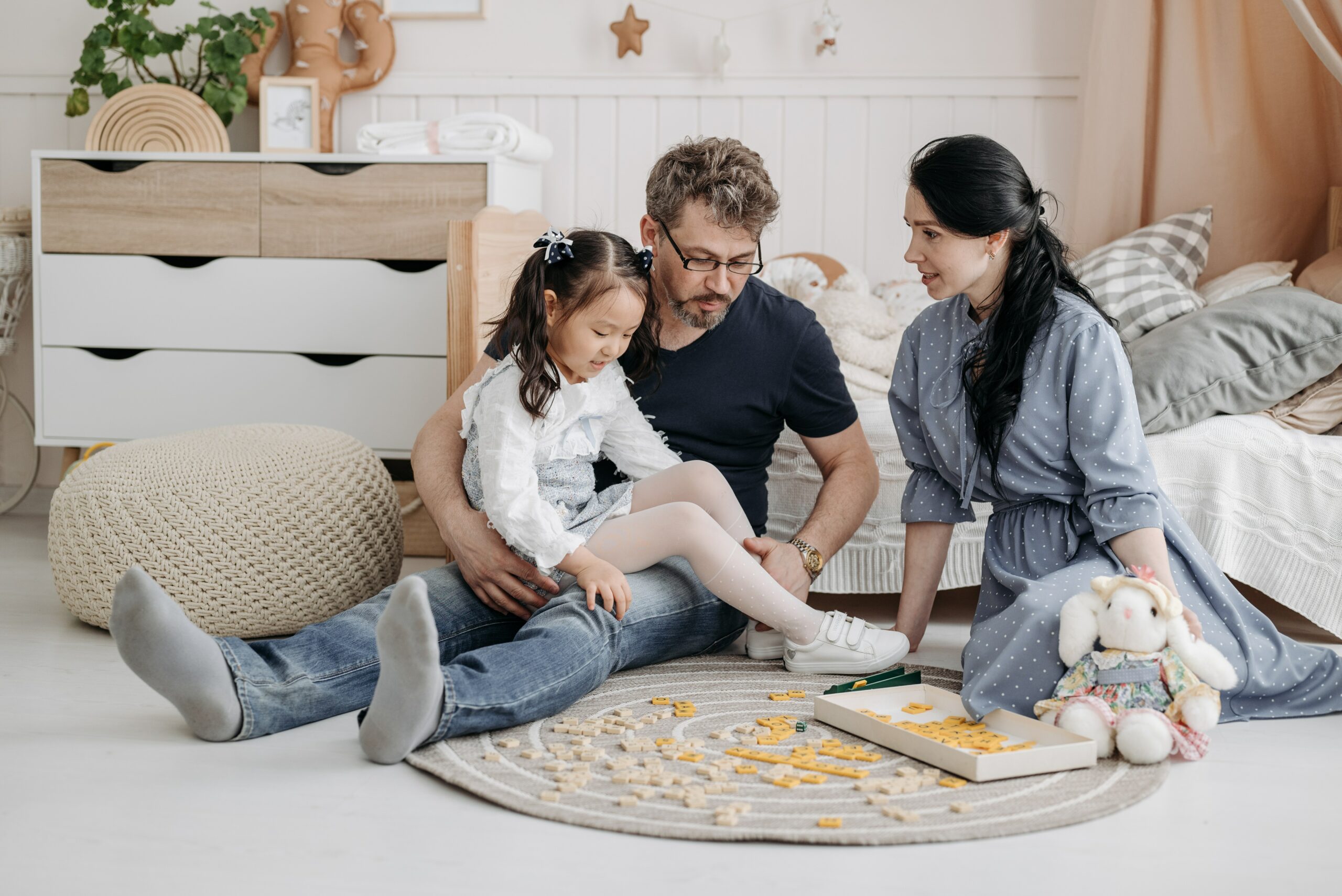
Play is not what a child earns for a good week. It is a central part of therapeutic care, and in some ways it does more than any conversation. Playing with a child builds the relationship everything else rests on. It is also where a child practises losing, taking turns, being silly, and being close to an adult without anything being asked of them. Short and regular beats occasional and big. Ten minutes of cards every evening does more than a day out once a month. The day out is lovely. It is not the thing that changes anything. Let the child choose and follow their lead. This is the opposite of most activities between adults and children, where the adult sets the terms. Being in charge of something harmless, with an adult willing to go along with it, is new for many of our children. Expect things to come out during play. A child may say something important while you are both looking at a jigsaw rather than at each other. Play often goes wrong at first. A child may wreck the game, cheat, have to win, or walk away. That is not a reason to stop playing. It is the reason to keep going.
7.5.3 Therapeutic games, cards and play-based approaches
There are many games, card decks and activity books made for this purpose. Some ask questions and open up conversation. Some are about naming feelings. Some are ordinary games used deliberately to build connection. They help because they give you something to do together that is not a conversation about problems, and they give the child a way to say something difficult without having to raise it themselves. How to introduce one. Leave it out rather than announcing it. Play it yourself, or with someone else in the house, and let the child join in. Never make it a session the child has to attend. Stop as soon as it stops being enjoyable. And never use one to get information out of a child. Some approaches use play more formally. Theraplay is one: structured play activities, usually delivered by a trained practitioner with the carer taking part, aimed at building attachment through playful contact. That is not something to run yourself, but the thinking behind it is the same as above, and the everyday version is available to every carer. If a social worker or therapist lends you a game or a book, ask what it is for and how they expect it to be used. If you are unsure, ask in supervision before you start.
7.5.4 Story books read with the child
Books about feelings, about being in care, about having two families, can do work that direct conversation cannot. The child gets to think about a character instead of about themselves. Read it as a story, not as a lesson. Do not point out the parallel. If the child makes the connection, follow wherever they take it. If they do not, the book has still done something. Choose by the child’s developmental age rather than the age on their birth certificate. An older child may want a picture book, which is fine and not worth remarking on.
7.5.5 Having fun on purpose
Plan enjoyment rather than waiting for a good week to earn it. If fun depends on behaviour, the child who is struggling never gets any, and the struggling gets worse. Put things in the diary. Keep them small enough to survive a bad day. And do not cancel them as a consequence. Cancelling teaches a child that enjoyment depends on behaving, which is the thing you were trying to undo. Some of the best moments will not be the planned ones. Keep planning them anyway. They are what makes the unplanned ones possible.
Critical Actions — 12. Interventions to implement
Play is an intervention, and worth planning as deliberately as any other. Choose it on what this child’s relationship with you currently lacks, not on what they are old enough for.