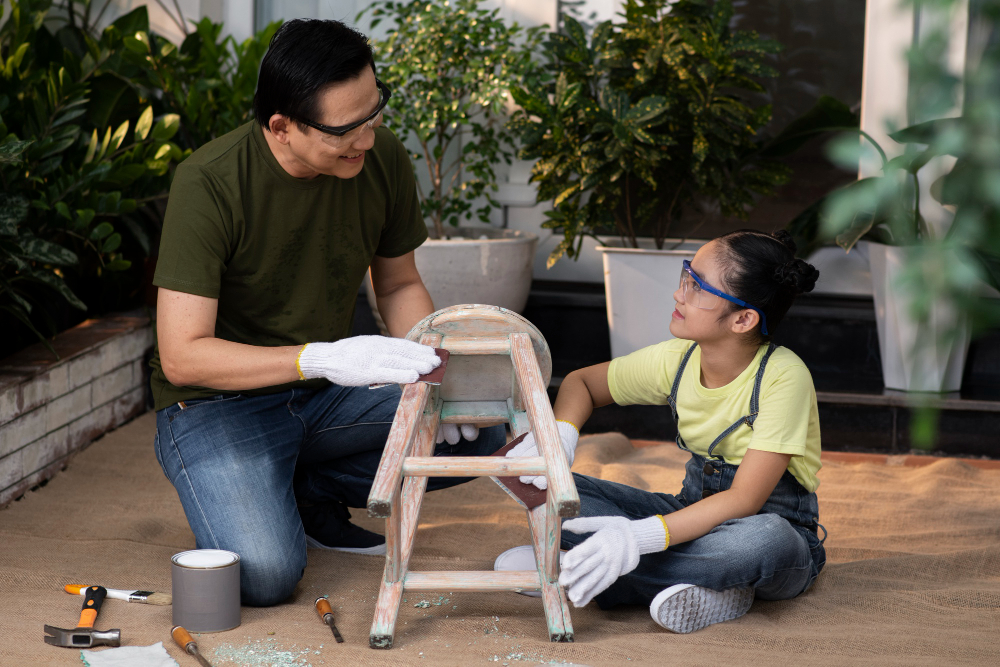

Leisure activities are important for adults and children because leisure activities improve emotional, mental and physical health.
Foster carers are expected to support and encourage children to pursue individual interests and hobbies.
Foster carers should also improve the children’s emotional, mental and physical development by supporting the children to take part in a range of new activities, including leisure activities and trips.
Children who engage in these activities are more likely to be settled and happy in the fostering home.
Children who live in foster homes, like all children, need access to a wide range of positive activities to help them to achieve success. Foster carers encourage and support children to take part in activities such as sports, cubs and scouts, brownies and guides, drama groups, youth clubs and volunteering. They are supported to engage in faith-based activities if they wish to. The activities from which children will derive enjoyment and satisfaction will vary with the individual, but such experiences will be important in giving children a personal sense of achievement.
Staff and foster carers recognise the wide range of personal achievements of children in our care, and these achievements are celebrated individually and collectively.
When required to do so, Sparks Fostering aims to work with other local authority departments and organisations to maximise opportunities for looked after children to make use of local facilities, such as negotiating free or subsidised passes to leisure centres for foster families, including foster children and foster carers’ own children.
Children develop their emotional, intellectual social, creative and physical skills through the accessible and stimulating environment created within the foster home. Children are supported (by their foster carers) to take part in school based and out of school activities.
Children have permission to take part in age appropriate peer activities as would normally be granted by a reasonable parent to their children, within the framework of the placement plan. Decision-making and any assessment of risk to the child should be undertaken on the same basis as a reasonable parent would do.
Children are encouraged and enabled to make and sustain friendships, which may involve reciprocal arrangements to visit friends’ homes.
From Action for Children
How can play help my child learn new words?
How to hold a family sports day.
Summer activity ideas for children.
From the NSPCC
Keeping your child safe in sport (free e-learning course by NSPCC)
My No.1 fan – Positive parental involvement in sport. A video by the NSPCC.
The closest equivalent to foster care would be children who stay with extended family members for a period of time – it’s perhaps not the same as living with parents, but (like with living with extended family members), the foster parents must care for the children in a way that is agreeable to those with parental responsibility. The foster carers ensure that the child has a suitable place to stay, that they access suitable education provision, feel supported and cared for and all other day to day needs should be met.
Children in foster care have more meetings than most children – there are planning meetings, contact with significant others, education meetings, health meetings, sports/leisure clubs and activities and more. Caring for children looked after requires more time and attention than is required for most children, because children looked after have experienced more trauma and loss than most children, so they need more care and support to heal. It is for this reason that the fostering application and assessment is rigorous – we must ensure that foster carers have the capacity and will to do what is required to meet the needs of the children.